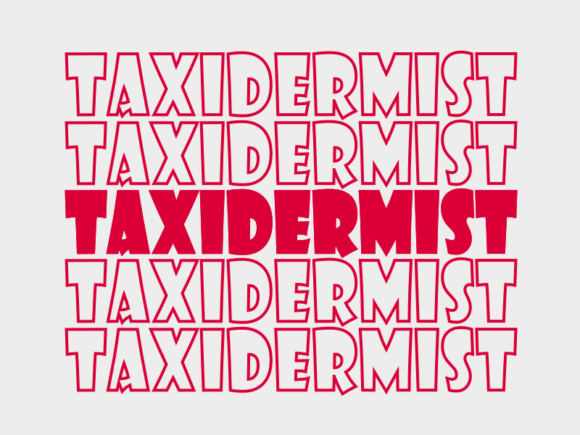
Taxidermist SVG Cut File
First Impressions: Bold, Niche, and Visually Confident
Opening Taxidermist SVG Cut File feels like unrolling a sketch from a vintage naturalist’s field journal—clean linework, deliberate negative space, and that unmistakable silhouette of antlers, skull, or mounted specimen. It’s not whimsical or cutesy; it’s grounded, slightly rustic, and quietly confident. As an embroidery designer who’s stitched everything from nursery motifs to boutique apparel logos, I immediately sensed this wasn’t meant for pastel baby onesies—but rather for the kind of handmade product that sparks conversation: a heavyweight canvas tote for a local taxidermy studio, a charcoal sweatshirt for a nature educator, or a linen apron in a curated gift shop.
A Real Project Test: Embroidering It on a Linen-Cotton Tea Towel
Last week, I prepped Taxidermist SVG Cut File for a small-batch kitchen towel line—linen-cotton blend, medium weight, no stretch. I converted the SVG into a machine embroidery design using my usual vector-to-stitch workflow (no auto-digitizing; I manually adjusted stitch paths for clarity). What stood out? The clean outer contour held up beautifully in satin stitch, while interior details—like subtle eye sockets or antler texture lines—translated well as fine running stitches at 8–10 mm height. No jagged edges, no collapsed corners. That scalability the description mentions? It’s real. At 3.5" wide, the design read clearly on the towel’s textured surface. At 2", it started losing nuance—not unusable, but better suited for a cap or patch where boldness trumps detail.
Where It Shines—and Where It Needs Thought
Taxidermist SVG Cut File excels in custom apparel and small-shop merchandise with personality: sweatshirt embroidery for outdoor guides, embroidered patches for hiking clubs, or pillow covers for cabins and lodges. Its visual weight gives instant recognition without needing color or shading—ideal for monochrome branding or minimalist Etsy listings. As a digital embroidery file, it also works cleanly in printable mockups: drop it onto a neutral background, adjust contrast, and you’ve got a trustworthy preview for buyers.
But be mindful: on thin or stretchy fabric—like lightweight tees or baby rib knit—the fine interior lines can blur if stabilizer isn’t layered thoughtfully. On dark fabric, thread color contrast becomes critical; a light ecru or oatmeal thread reads softer than stark white, preserving the design’s earthy tone. And on curved surfaces—caps or rolled sleeves—test hoop placement first. The top-heavy shape (often antlers or horns extending upward) needs centering so the balance doesn’t tip visually when worn.
Stitching Practicalities You’ll Want to Check
- Test on scrap fabric first—especially if pairing with textured weaves or blends. Linen, duck cloth, and midweight denim all handled it well; jersey did not without cutaway + tear-away combo stabilizer.
- Review stitch density before finalizing. This isn’t a dense fill-stitch motif—it relies on outline integrity and intentional gaps. Over-stabilizing or over-embroidering kills its quiet confidence.
- Confirm hoop size compatibility. At full scale (4–4.5"), it fits standard 5x7 hoops comfortably. Smaller hoops (4x4) will require scaling down—check whether tiny details (like nostril lines or feathered edges) remain legible post-resize.
- Inspect small details in black-and-white mockups. Since many craft buyers scan listings quickly, ensure the core shape reads instantly—even without color context.
- Compare light vs. dark fabric backgrounds. On ivory linen, a warm taupe thread gave warmth; on navy twill, charcoal gray kept depth without fading into shadow.
Fitting Into Your Craft Business—Honestly
If you’re an Etsy seller or small shop owner building a cohesive brand around nature, heritage crafts, or regional identity, Taxidermist SVG Cut File adds quiet authority—not flash, but substance. It elevates a plain tote bag into a collector’s item. It turns a generic sweatshirt into something customers photograph and tag. That matters for buyer engagement and repeat visits.
For personalized gifts? Yes—but with intention. It’s not “cute” enough for most baby embroidery (unless you’re designing for a hunter’s family heirloom blanket), but perfect for wedding gifts between outdoorsy couples or holiday embroidery for a lodge-themed celebration. As a design asset, it pairs naturally with other rustic Graphics—think botanical silhouettes or vintage compass motifs—without clashing.
That said, don’t assume it’s license-free for resale. Since it’s listed under Print Templates and labeled as a Graphics file, verify usage rights before bundling it into digital embroidery kits or selling finished embroidered patches commercially. A quick email to the seller clears that up faster than a takedown notice later.
Final Thought: Design Integrity Over Trend Chasing
What makes Taxidermist SVG Cut File stand out isn’t novelty—it’s restraint. In a sea of over-digitized, glitter-heavy machine embroidery designs, this one trusts the viewer to read subtlety. It respects fabric texture, honors thread choice, and leaves room for the handmade product to breathe. Whether you’re stitching it for a client’s boutique rebrand or prepping a batch of holiday embroidered pillows, it lands with authenticity—not because it’s “on-trend,” but because it’s well-considered.
So yes—use it. But use it deliberately. Scale it right. Stabilize it honestly. And let its quiet craftsmanship speak for your work.